
"coffee fruit removal"
8000 article(s) found

Basic knowledge of Coffee processing Secrets of Coffee beans
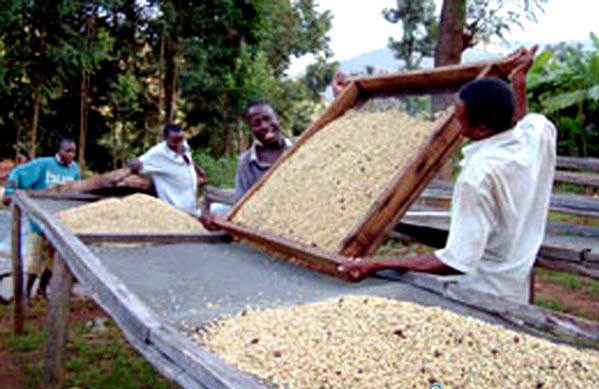
After the fruit is harvested, the outer skin, pulp, endocarp and silver skin should be removed before shipping. There are two kinds of methods: drying (also known as natural or non-washing) and washing. The drying method is relatively simple. First of all, spread the freshly harvested fruit on the exposure field for a week or two until the fruit crackles and dries naturally. After that, the sheller will dry the fruit.
A brief introduction to the production of Coffee beans
A coffee tree can harvest 3-5 kg of fruit, and raw coffee beans account for 1. 5% of the fruit quality. Going from fruit to raw coffee beans is really a time-consuming and laborious task. The production process of coffee beans Arabian coffee, robusta coffee and Libaria Arabian coffee account for about 2% of the world's coffee production. The plant is not suitable for high temperature, low temperature, more rain and less rain. Coffee beans are

How many ways do you handle coffee beans? Flavor stories and characteristics of coffee bean treatment
a. Washing type / non-washing type: in the sink, after rubbing with water and utensils, the pulp and gum are removed and dried, which is called washed coffee beans with uniform quality. Non-washing type: after the sun is naturally dried, the pulp and peel is removed by a sheller, and its quality is unstable. b. The fruit of flat bean / round bean coffee is made up of two oval seeds opposite each other. The connected side

Coffee beans-specification coffee machine checklist
a. Washing type / non-washing type: in the sink, after rubbing with water and utensils, the pulp and gum are removed and dried, which is called washed coffee beans with uniform quality. Non-washing type: after the sun is naturally dried, the pulp and peel is removed by a sheller, and its quality is unstable. b. The fruit of flat bean / round bean coffee is made up of two oval seeds opposite each other. The connected side
Introduction to the treatment of raw coffee beans: classification and introduction of various refining methods of coffee beans
Generally speaking, there are three kinds of treatment from coffee fruit to raw coffee bean: drying treatment, washing treatment, semi-dry and semi-wet treatment. What is the difference between the three steps? Which is better or worse? (drying in the sun field) drying treatment is the most primitive and simple treatment. 1. After the coffee fruit is actually harvested, it is sent to the sun field to spread evenly, and it is often turned so that the coffee fruit can be evenly distributed.

What's the difference between half-sun, sun and water washing? How to deal with half-sun?
Professional coffee knowledge exchange more information about coffee beans Please follow the coffee workshop (Wechat official account cafe_style) what is the difference between half-sun, sun and water washing? How to deal with half-sun? The influence of coffee flavor, in addition to varieties, producing areas, planting methods, there is also an important process of coffee raw bean treatment. Different treatments will lead to different kinds of coffee.
Coffee from fruit to raw bean dry washing semi-washing refined Colombian coffee beans
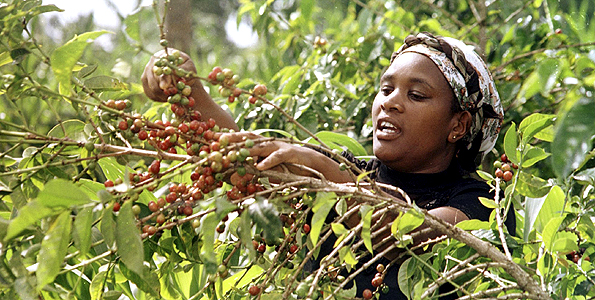
Coffee changes from fruit to raw bean there is a pair of oval seeds in the middle of the fruit, which are covered with outer skin, inner pulp and pulp. Ripe fruit spoils in a short time without treatment. Refining is to remove the skin and pulp of the coffee fruit, and then take out the seeds. Generally speaking, about 1 kg of raw coffee beans can be obtained from 5 kg of coffee fruit. The refining methods include drying and washing.
Boutique coffee beans: the standard of SCAA pecialty Coffee boutique coffee raw beans
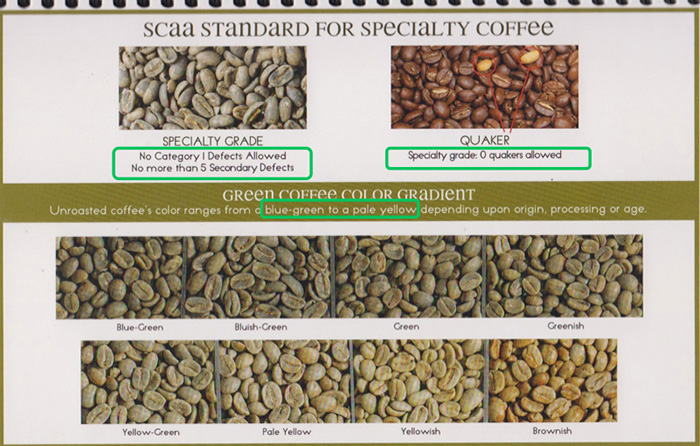
The raw bean defects of SCAA can be divided into two types: I and II. The requirement for premium coffee grade (specialty coffee) is: 1. There are no class I defects; 2. No more than 5 II class defects 3. There can be no "quaker" (0 quaker) Quick beans in cooked coffee beans. 4. The color range of raw coffee beans is pale yellow (light yellow), yellow-green (

Basic knowledge of Fine Coffee the production process of coffee beans
A coffee tree can harvest 3-5 kg of fruit, and raw coffee beans account for 1. 5% of the fruit quality. Going from fruit to raw coffee beans is really a time-consuming and laborious task. Arabian, Robusta and Librian Arabian coffee account for about 2% of the world's coffee production. The plant is not suitable for high temperature, low temperature, more rain and less rain. Coffee beans are oval flat and have a high height.

Knowledge of origin of coffee beans production process of coffee beans
A coffee tree can harvest 3-5 kg of fruit, and raw coffee beans account for 1. 5% of the fruit quality. Going from fruit to raw coffee beans is really a time-consuming and laborious task. The production process of coffee beans Arabian coffee, robusta coffee and Libaria Arabian coffee account for about 2% of the world's coffee production. The plant is not suitable for high temperature, low temperature, more rain and less rain. Coffee beans are

What are the different methods of coffee treatment? what are the differences in the flavor of coffee?
Tanning is a traditional method for the initial processing of coffee beans, and at present, almost all coffee-growing countries such as Ethiopia and Yemen still use solarization to treat raw beans. The sun treatment will first spread the ripe or half-ripe beans in the drying farm for natural drying. The specific time depends on the local climatic conditions, which usually takes two to four weeks. When the moisture of coffee beans
Production method of coffee beans the production process of coffee beans
First of all, the coffee bean is a red coffee fruit that is picked from the coffee tree and ripe by fermenting flat beans and round beans, as shown in the figure. The pale green core with a little blue in the middle is the coffee bean. In general, the core of a coffee fruit is oval. When two kernels are opposite to each other, flat beans are formed; sometimes a single kernel grows and forms.
Treatment of raw coffee beans: introduction to the operation method and purpose of washing method
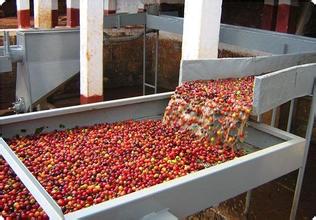
Washing method: 1, select beans: put the harvested fruit in a water tank and soak for about 24 hours. At this time, ripe fruit will sink, while immature and overripe fruit will float up and can be removed. 2. Remove the pulp: use a machine to remove the skin and pulp, leaving only the coffee beans wrapped in the endocarp. At this time, there is a layer of mucous membrane on the outside of the beans, and the process of washing is
The evolution of coffee from fruit to raw beans to understand the change process of coffee beans
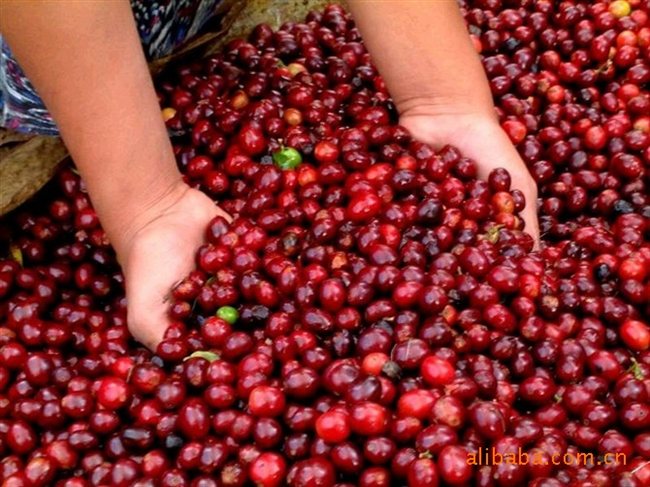
In the middle of the fruit of coffee is a pair of oval seeds, which are covered with outer skin, inner pulp and pulp. Ripe fruit spoils in a short time without treatment. Refining is to remove the skin and pulp of the coffee fruit, and then take out the seeds. Generally speaking, about 1 kg of raw coffee beans can be obtained from 5 kg of coffee fruit. The refining methods include drying type, washing type, and compromise between the two.

How to make raw coffee beans into cooked beans? Effect of treatment to roasting on the flavor of coffee beans
Professional coffee knowledge exchange more coffee bean information Please pay attention to the coffee workshop (Wechat official account cafe_style) the four most common treatment methods for Brazilian coffee, you must first know the structure of the coffee fruit, cherry-like coffee fruit, from the outside to the inside are peel, pulp, pectin layer, sheep skin (seed shell), silver skin, seed. The thickness of pectin layer is about 1-2m.

How many coffee fruits are processed per season and the planting environment are introduced
A coffee tree produces an average of how many coffee fruits per season and planting environment. Coffee fruits contain two seeds, namely coffee beans. The two beans stand upright facing each other on one side of their plane. Each coffee bean has a thin outer membrane, called the silver skin, which is covered with a yellow outer skin, called the endocarp. Whole coffee beans

SCA Arabica Coffee Raw Bean grading Manual _ how do Arabica coffee beans be graded?
Professional coffee knowledge exchange more coffee bean information please follow the coffee workshop (Wechat official account cafe_style) [the standard of SCAA Specialty Coffee fine coffee raw beans] the raw bean defects of SCAA can be divided into two categories: I and II. The requirement for boutique coffee grade (specialty coffee) is that there are no Class I defects and no more than 5 II classes are missing.

Basic knowledge of high-quality coffee beans the production process of coffee beans
A coffee tree can harvest 3-5 kg of fruit, and raw coffee beans account for 1. 5% of the fruit quality. Going from fruit to raw coffee beans is really a time-consuming and laborious task. Arabian, Robusta and Librian Arabian coffee account for about 2% of the world's coffee production. The plant is not suitable for high temperature, low temperature, more rain and less rain. Coffee beans are oval flat and have a high height.

Three treatments of coffee beans differ in flavor, taste, variety characteristics, regional grinding scale.
The flavor of the three treatments of coffee beans differs from the taste of the varieties in the producing area. The honey treatment method is the same as the water washing method, which first uses a large sink to select ripe coffee fruits. The difference is that the honey treatment skips the step of coffee bean fermentation in the pool. The honey treatment first removes the peel of the ripe high-quality coffee fruit, uses a machine to remove the pulp and retains part of the pectin.
Classification and introduction of Refining methods of Coffee Raw beans
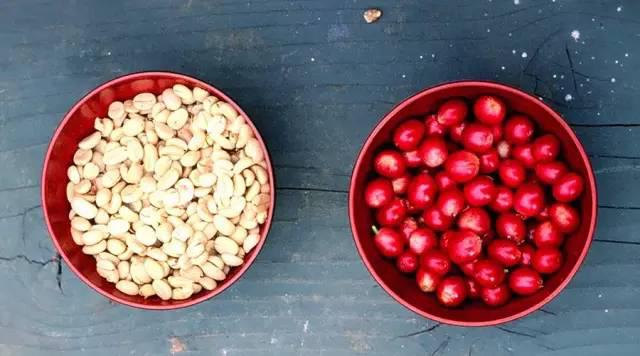
When drinking hand cups in a good cafe, the barista is sure to mention these proper terms when introducing beans. Whether washing in water or in the sun, in fact, it is the refined way of coffee beans (processing). What is refined way to review first, we usually say coffee beans are actually seeds; the fruit of coffee is called coffee cherry (Coffee Cherry).